Retort Machine Cleaning Method and Steps,SUMPOT NEWS
We use cookies to improve your online experience. By continuing browsing this website, we assume you agree our use of cookies.

Retort Machine Cleaning Method and Steps

Views : 3326
Author : SUMPOT
Update time : 2024-06-26 11:40:11

Retort scale cleaning formula ratio: 1m³ equipment volume with +30kg (citric acid or oxalic acid and other organic acids)

Retort oil cleaning formula ratio: use 1-2% caustic soda (sodium hydroxide solution)

retort machine


Steps:

Manual operation (retort sterilizer is in stop state)

Step 1:

1. Pour citric acid (or caustic soda) into the retort machine, close the door manually, preheat the upper tank to 85 degrees, open the upper water supply valve + drain valve + pressure relief valve, add the upper filling water to the lower tank, turn on the circulation pump, heat to about 80 degrees, and circulate and clean for 2 hours.

2. After two hours of circulation, open the drain valve to drain the water or (open the pressure relief valve to release the pressure to "0" and manually turn the retort door, slowly extend the door to control the water flow rate until the water is discharged. This method is dangerous and is not recommended for unskilled users).


Step 2:

1. After cleaning, close retort door manually, preheat the upper tank to 85 degrees, open the upper water supply valve + drain valve + pressure relief valve, add the upper filling water to the lower tank, turn on the circulation pump, heat to about 80 degrees, circulate for 10 minutes and drain the water.

2. Repeat the cleaning cycle at least three times to ensure that all parts that are in contact with citric acid water or caustic soda water are cleaned with clean water, otherwise it is easy to cause corrosion.


Step 3:

1. Cool the retort machine with cold water, enter the retort cooker and manually use wire brushes, brushes, shovels, high-pressure water guns and other tools to clean the materials, residues, dust and other impurities remaining on the cylinder, chain, nozzle, filter, water suction box, water level gauge.

2. After cleaning, use hot water to clean several times. Evaluate whether to continue cleaning.

Determine the frequency of cleaning according to the frequency of use of the retort machine and the degree of dirt on the surface of the product. It is generally recommended to clean it once every six months. More frequent cleaning may cause some damage to the equipment.
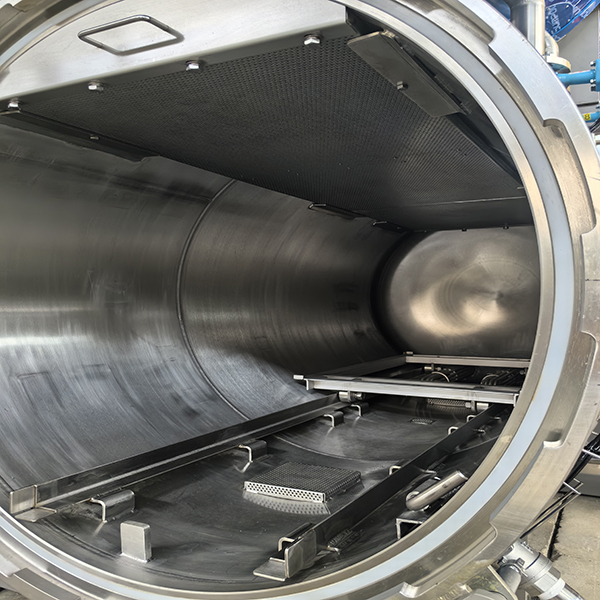
 
retort machine

Precautions:

1. When high temperature is draining water from the retort door, it is strictly forbidden to stand in front of the door. The pressure in the pot must be "0" and the retort door must be slowly extended to prevent scalding.

2. The mode of entering the retort cooker must be manual mode, and warning signs are hung at the door and the distribution box, and someone is monitoring at the door. Prevent automatic closing operation or manual operation of closing the door and opening the valve to avoid accidents.


Related News
Read More >>
The Benefits of Retorts (Sterilization Autoclaves) for Ready-to-Eat Meals The Benefits of Retorts (Sterilization Autoclaves) for Ready-to-Eat Meals
Aug .29.2025
Retorts, also known as sterilization autoclaves, are essential equipment in the production line of ready-to-eat (RTE) meals. By creating a high-temperature, high-pressure saturated steam environment, they thoroughly eliminate microorganisms in products, including pathogenic and spoilage bacteria, thereby delivering multiple critical benefits for RTE meals.
Advantages of Retort Sterilization Technology in Sardine Can Production – Innovative Solutions for the Food Machinery Industry Advantages of Retort Sterilization Technology in Sardine Can Production – Innovative Solutions for the Food Machinery Industry
May .13.2025
Introduction: Retort Sterilization Technology – The Guardian of Food Safety and Quality
In today's rapidly developing food industry, consumers are increasingly demanding higher standards for food safety, nutritional retention, and product quality. As a key category in aquatic product processing, the sterilization process of sardine cans directly impacts their market competitiveness. Retort sterilization technology (high-temperature and high-pressure sterilization) has become one of the core technologies in the modern food machinery industry due to its advantages in efficient sterilization, nutrient preservation, energy savings, and environmental friendliness. This article will provide an in-depth analysis of the outstanding performance of Retort sterilization technology in sardine can production from the perspectives of technical principles, industry applications, and market value, offering professional insights for food machinery manufacturers, sterilization equipment suppliers, and canning producers.
Retort Autoclave Production Line: Comprehensive Overview of Functions and Advantages Retort Autoclave Production Line: Comprehensive Overview of Functions and Advantages
Apr .23.2025
The retort autoclave production line represents a significant advancement in industrial sterilization technology, primarily serving the food processing, pharmaceutical, and cosmetics industries. This sophisticated system utilizes a combination of high-temperature steam and pressure to achieve commercial sterilization of packaged products, ensuring both safety and extended shelf life while preserving the organoleptic qualities of the processed goods. As global demand for shelf-stable, convenient food products continues to rise, retort technology has become increasingly vital for manufacturers seeking to meet stringent food safety standards while maintaining production efficiency.
Key Advantages of Autoclave Sterilization for Tinplate Cans/Glass Jars Key Advantages of Autoclave Sterilization for Tinplate Cans/Glass Jars
Apr .02.2025
The autoclave sterilization system is a critical technology in food processing, particularly for tinplate cans and glass jars. Its high efficiency, reliability, and safety make it the gold standard for achieving commercial sterility in canned foods. Compared to alternative sterilization methods , autoclaves offer superior microbial control, production efficiency, and product quality retention. This article focuses on the core advantages of autoclave sterilization for metal and glass containers.