Sterilization methods used in beverage production processes
We use cookies to improve your online experience. By continuing browsing this website, we assume you agree our use of cookies.

Sterilization methods used in beverage production processes

Views : 2738
Author : sumpot
Update time : 2024-03-28 13:38:24
The drinks we drink every day usually have to undergo strict sterilization procedures before they can be distributed to the market and into the hands of consumers. Today I will share with you the common sterilization methods in beverage production.
1. Ultra-high temperature instant sterilization
As the name suggests, it is a sterilization method that uses high temperature to kill harmful microorganisms in beverages in a short period of time. This method, usually carried out before beverage filling, also known as "pre-killing", can maintain the natural flavor of the product to the greatest extent and reduce the loss of nutrients that are beneficial to the human body.
It is widely used in the production of heat-sensitive beverages such as milk and juice. The "UHT" logo printed on the common Tetra Pak packaging on the market means ultra-high temperature instant sterilization.
                                   

2. Pasteurization
Also known as low-temperature sterilization, it is named after the invention of French microbiologist Pasteur. It takes advantage of the heat-labile characteristics of microorganisms and uses appropriate temperature and holding time to kill harmful microorganisms while maintaining the nutrients and flavor in the food. constant.
Pasteurization is usually performed after beverage filling, also known as "post-killing". It is mostly used for sterilizing beverages such as beer, wine, and juice during production. The bagged milk on the market is also pasteurized.

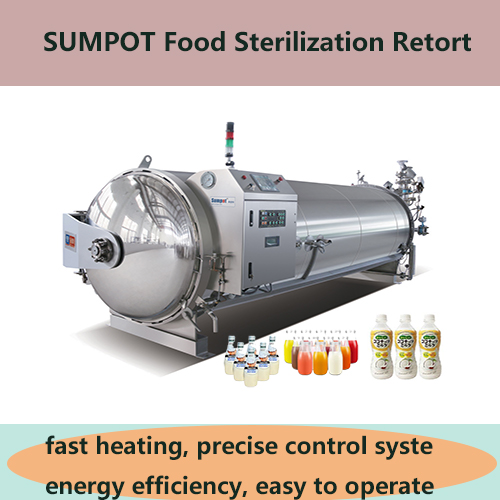
3. Sterilization retort
The sterilizing retort machine can reach a maximum temperature of 135°C under pressure. The high temperature destroys the microbial cell structure, effectively kills spoilage microorganisms in food, prevents beverages from deteriorating, and extends the shelf life.
This sterilization method is commonly used in plant protein drinks such as soy milk, and is also a post-sterilization mode. Tinplate cans, soy milk, etc. are commonly sterilized in sterilization retort chamber.
4.Preservative
Don’t be nervous when you hear about preservatives. my country has approved 32 kinds of food preservatives so far, which itself is a sterilization method.
Preservatives within the safe range are essential elements in many foods and can help people inhibit the growth of bacteria in food. Sodium benzoate is a widely used preservative, mainly used in carbonated drinks and fruit drinks.

SUMPOT company has a 28 years of experience for manufacturing various types of retort machine including water spray retort, steam retort, steam air retort, automated canning line, semi-automatic pouch laoding unloading systems, our equipment has exported to more than 100 countries, our customers are all over the world, we have obtained the international standard certification such as CE, ASME, ISO9001.  For beverage sterilization, we have multible sterilization solution based on different packaging methods. For HPP bottle methods, you can choose water spray retort, water immersion retort machine, for glass bottles, you can choose water spray retort to get the best sterilization solution. For detailed information about our retort equipment, you can please fill out our inquiry form to get connected with us.Our expert will contact you immediately.

keywords: retort machine, food retort, autoclave machine, food sterilization, sterilizing equipment, food autoclave, autoclave industrial, retort processing, retort food processing.
Related News
Read More >>
The Benefits of Retorts (Sterilization Autoclaves) for Ready-to-Eat Meals The Benefits of Retorts (Sterilization Autoclaves) for Ready-to-Eat Meals
Aug .29.2025
Retorts, also known as sterilization autoclaves, are essential equipment in the production line of ready-to-eat (RTE) meals. By creating a high-temperature, high-pressure saturated steam environment, they thoroughly eliminate microorganisms in products, including pathogenic and spoilage bacteria, thereby delivering multiple critical benefits for RTE meals.
Advantages of Retort Sterilization Technology in Sardine Can Production – Innovative Solutions for the Food Machinery Industry Advantages of Retort Sterilization Technology in Sardine Can Production – Innovative Solutions for the Food Machinery Industry
May .13.2025
Introduction: Retort Sterilization Technology – The Guardian of Food Safety and Quality
In today's rapidly developing food industry, consumers are increasingly demanding higher standards for food safety, nutritional retention, and product quality. As a key category in aquatic product processing, the sterilization process of sardine cans directly impacts their market competitiveness. Retort sterilization technology (high-temperature and high-pressure sterilization) has become one of the core technologies in the modern food machinery industry due to its advantages in efficient sterilization, nutrient preservation, energy savings, and environmental friendliness. This article will provide an in-depth analysis of the outstanding performance of Retort sterilization technology in sardine can production from the perspectives of technical principles, industry applications, and market value, offering professional insights for food machinery manufacturers, sterilization equipment suppliers, and canning producers.
Retort Autoclave Production Line: Comprehensive Overview of Functions and Advantages Retort Autoclave Production Line: Comprehensive Overview of Functions and Advantages
Apr .23.2025
The retort autoclave production line represents a significant advancement in industrial sterilization technology, primarily serving the food processing, pharmaceutical, and cosmetics industries. This sophisticated system utilizes a combination of high-temperature steam and pressure to achieve commercial sterilization of packaged products, ensuring both safety and extended shelf life while preserving the organoleptic qualities of the processed goods. As global demand for shelf-stable, convenient food products continues to rise, retort technology has become increasingly vital for manufacturers seeking to meet stringent food safety standards while maintaining production efficiency.
Key Advantages of Autoclave Sterilization for Tinplate Cans/Glass Jars Key Advantages of Autoclave Sterilization for Tinplate Cans/Glass Jars
Apr .02.2025
The autoclave sterilization system is a critical technology in food processing, particularly for tinplate cans and glass jars. Its high efficiency, reliability, and safety make it the gold standard for achieving commercial sterility in canned foods. Compared to alternative sterilization methods , autoclaves offer superior microbial control, production efficiency, and product quality retention. This article focuses on the core advantages of autoclave sterilization for metal and glass containers.