What is the Retort Method of Preservation?
Retorting method is a heat treatment sterilization technology widely used in the food processing industry. By subjecting food to high temperature and high pressure treatment, it can kill harmful bacteria and microorganisms in food, extend the shelf life of food, ensure food safety, and maintain the original texture, flavor and nutrition of the product. In this article, we will show you the food steaming method, its working principle, applications and impact on the food processing industry.
Retorting method: Overview
Retorting method, also known as autoclave sterilization or food sterilizing, is a process of placing the sealed packaged food in a retort machine, sterilizing the food by applying high temperature for a certain period of time and injecting a certain amount of pressure. This high temperature and high pressure heat treatment can eliminate bacteria and viruses in food, extend the shelf life of the product, ensure food safety, and minimize the loss and destruction of nutrients in the product, maintaining the texture, flavor and taste of the product. With the development, innovation and derivation of instant food, steaming method has become a crucial link in the food industry. Click to Get Best Quote!
Retorting treatment temperature and time
The treatment temperature and time of the autoclave mainly depend on the characteristics of the product being treated and the desired sterilization effect. For many food products, the temperature of the autoclave is usually set at 121°C (249.8°F) and the pressure is about 0.12MPa (1.2bar). In actual operation, these conditions may need to be adjusted according to the specific product and process requirements to achieve the best sterilization effect while maintaining product quality. Ask for Best Quote Now!

Types of Retorting Method
1. Steam retort: This is the most traditional type of retort machine. It is a device that uses high-temperature and high-pressure steam for sterilization. It achieves efficient sterilization by precisely controlling high-temperature and high-pressure steam. Steam retort is suitable for various canned foods, such as canned meat, canned fish and low-acid canned fruit, etc. Steam retort are known for their lower cost and uniform heat distribution, and are more suitable for companies with cost budget requirements.
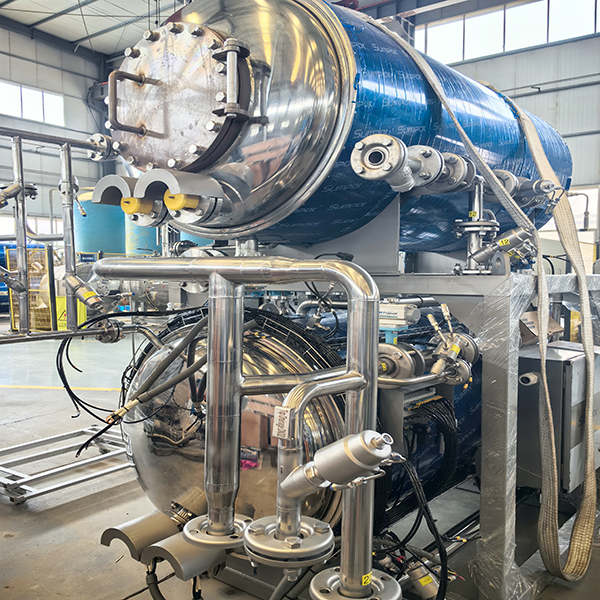
2. Water-immersion retort: Water-bath retort is a device that uses hot water circulation for heating and sterilization. It is divided into two tanks, the upper one is the hot water tank and the lower one is the retort. During sterilization, the product is immersed in hot water, and the hot water circulates to ensure uniform heating. It is suitable for flexible packaging (large packaging); plastic bottles, bowls, cups packaging; non-gas packaging and other high-temperature resistant packaging.
3. Water spray retort: Water spray retort is a device that uses hot water and steam to spray onto the surface of the product through a nozzle for heating and sterilization. The water spray retort is suitable for various types of high-temperature resistant packaging materials, such as PE bottles, tinplate cans, gas packaging, glass cans, flexible packaging, aluminum foil bag packaging, etc. Through an efficient circulation pump, the sterilizing water is atomized and sprayed onto the surface of the product through a nozzle to achieve a standardized sterilization effect.
4. Rotary retort: Food is put into the rotating cage and rotates continuously during the sterilization process. During the rotation process, the grains and soup in the cup flow and mix continuously. The contents of the sterilized product are uniform, not layered, and the product is beautiful and tastes good. The flow of soup in the cup greatly increases the heat penetration speed. It is suitable for canned soups with higher consistency. During sterilization, the can rotates 360° continuously driven by the rotating body in the retort cooker, driving the soup in the can to move slowly, so that the contents are evenly heated and cooled. The contents are fully stirred and not layered, which increases the speed of heat penetration of the product. Prevent thermal damage to the surface food.
5. Steam air retort refers to a method of spraying steam directly into the retort cooker and mixing it with air for sterilization. The air and steam in the retort chamber are forced by the fan to circulate along the air duct to achieve the purpose of uniform temperature distribution in the retort chamber. Compared with traditional steam sterilization, there is no need for exhaust, saving about a quarter of steam. Compared with water immersion and spray sterilization, water is not used as the intermediate heat transfer medium, saving steam consumption for heating water.
Get Best Quote Now!
Retort Processing Steps
1. Preparation: Put the cleaned food into the container and seal it to prevent food contamination, the sealed containers are loaded into the retort machine.
2. Heating: Steam is introduced into the retort cooker, gradually raising the temperature to the predetermined sterilization temperature, subsequently, the temperature is further raised to 121°C for high-pressure sterilization. The duration depends on the specific product and process requirements.
3. Cooling: After sterilization, the product needs to be cooled quickly to prevent overheating from affecting product quality. Cooling can be done in multiple steps. If the temperature cannot be reached in one step, it can be cooled twice or three times to avoid sudden changes in pressure in the container that may cause deformation or rupture of the package.
4.Unloading: Finally, the sterilized and cooled food products are removed from the retort. A final quality check is performed to ensure there are no leaks or damaged packaging.
Advantages of Retorting Method
1. Extend the shelf life: High temperature and high pressure cooking can effectively eliminate harmful microorganisms and bacteria in food, extend the shelf life of food, ensure food safety, maintain the original flavor and texture of food, and minimize the loss of nutrients in food processing. The processed products do not need to be refrigerated, which is convenient for transportation and storage.
2. Wide Application:It is suitable for a variety of foods, including meat, eggs, dairy products, beans, seafood, etc. The product packaging trial range is wide, such as soft packaging, canned packaging, bottled packaging, tray packaging, etc. can be sterilized.
3. Cost-Effective: By extending the shelf life and reducing spoilage, retort processing helps manufacturers minimize waste and optimize their production processes.
Conclusion
Retorting method and preservation is an efficient and reliable technology commonly used in the modern food processing industry. It can ensure food safety and extend the shelf life of food, while reducing the lack of nutrition, texture and taste of the product. In the era of rapid innovation and development of instant food, Retorting technology plays an important role in the entire food industry, and also lays a solid foundation for the innovation and upgrading of the packaging industry. If you are interested in our products, please contact our team experts immediately!
Ask for Factory Price Now!

